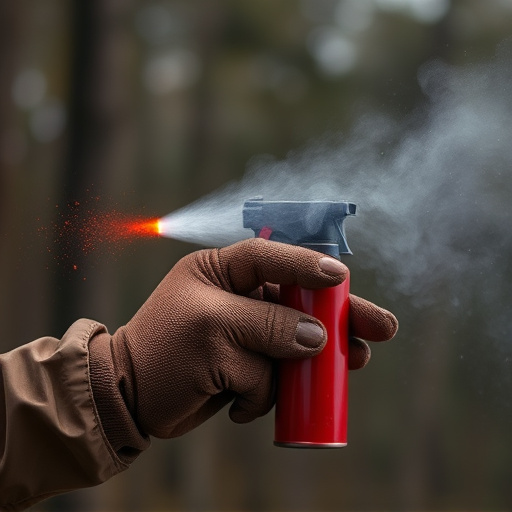
Capsaicin, the active ingredient in chili peppers, is used in pepper spray to decontaminate skin by causing temporary irritation and disrupting nerve receptors. Effective decontamination involves thorough soap and water washing. Modern personal protection devices incorporate capsaicin into protective gear or handheld devices for swift response to pepper spray attacks. Capsaicin's antimicrobial properties also promote skin health and reduce infection risks, making it a versatile natural solution.
“Discover the power of nature’s defense mechanism with capsaicin-based personal protection devices. This innovative approach to self-defense aims to decontaminate skin from pepper spray, a common yet harmful substance in potentially dangerous situations.
In this article, we explore the science behind capsaicin as an active ingredient, its impact on the skin, and the development of cutting-edge personal protection devices. We also delve into safety and efficacy concerns, providing insights into how these solutions can offer effective protection without causing lasting harm.”
- Understanding Capsaicin: The Active Ingredient
- How Pepper Spray Affects the Skin
- Developing Personal Protection Devices for Decontamination
- Safety and Efficacy of Capsaicin-Based Solutions
Understanding Capsaicin: The Active Ingredient
Capsaicin, the active ingredient in chili peppers, serves as the powerful force behind pepper spray’s effectiveness. This compound is responsible for the burning sensation often associated with spicy foods and the irritant properties that make pepper spray such a potent personal protection tool. When used in decontaminating the skin from pepper spray exposure, capsaicin acts as a potent irritant, causing the affected area to flush and tear up. This reaction helps to wash away the noxious chemicals present in pepper spray, providing immediate relief and decontamination.
Understanding capsaicin’s mechanism of action offers valuable insights into why it is such an effective component in personal protection devices. Its ability to disrupt normal skin function temporarily renders an individual less vulnerable to physical harm from assailants who might use pepper spray as a weapon. By quickly decontaminating the skin and eyes, individuals can better assess their situation and take necessary steps to ensure safety and recovery.
How Pepper Spray Affects the Skin
Pepper spray, a common personal protection device, contains capsaicin, the active ingredient found in chili peppers. When pepper spray comes into contact with the skin, it triggers a series of uncomfortable sensations. The compound binds to specific receptors in the skin’s nerve endings, leading to a rapid release of neurotransmitters that cause pain and inflammation. This reaction is what makes pepper spray an effective deterrent, as it temporarily incapacitates the target, allowing for escape or decontamination.
Beyond the initial sting, prolonged exposure can result in more severe skin irritation. The decontamination process involves thorough washing with soap and water to remove any residual pepper spray from the skin. It’s crucial to rinse thoroughly, ensuring no trace of the chemical remains, as it can continue to cause discomfort, redness, and even blistering if left untreated. Proper decontamination is essential for immediate relief and preventing potential long-term skin damage.
Developing Personal Protection Devices for Decontamination
Personal protection devices are evolving to meet the demands of modern safety challenges, particularly in situations where quick decontamination is crucial. One such innovative approach involves the use of capsaicin, the active ingredient found in chili peppers, as a means to neutralize and decontaminate the skin from pepper spray attacks. These devices offer a practical solution for individuals in high-risk environments, such as law enforcement officers, security personnel, and even civilians facing potential threats.
By incorporating capsaicin into protective gear or handheld devices, users can swiftly respond to pepper spray exposure. The ingredient’s ability to disrupt the nerve signals responsible for the burning sensation associated with chili peppers provides an effective method to decontaminate the skin, eyes, and respiratory system. This technology ensures individuals can regain control and safety more quickly, offering a game-changer in personal protection against harmful substances like pepper spray.
Safety and Efficacy of Capsaicin-Based Solutions
Capsaicin, the compound responsible for the heat and irritation in chili peppers, has emerged as a powerful tool in personal protection devices. When incorporated into solutions, it offers both safety and efficacy against various threats. Capsaicin-based products are particularly effective in decontaminating skin from pepper spray, providing a swift and natural antidote to this common but harmful substance. Its capsaicin content acts as a deterrent by causing temporary yet intense irritation, allowing users to retreat and seek safety before more severe symptoms set in.
Beyond its immediate effects, capsaicin has been studied for its antimicrobial properties, making it a promising ingredient in personal hygiene products. Regular use of capsaicin-based solutions can help maintain skin health and reduce the risk of infections, ensuring that individuals remain protected even after potential exposure to harmful substances. This dual functionality highlights the versatility and effectiveness of capsaicin as a natural agent in modern personal protection strategies.
Capsaicin, the active ingredient found in chili peppers, offers a promising solution for personal protection against pepper spray. Its ability to decontaminate the skin and provide temporary immunity makes it an innovative game-changer in self-defense devices. While further research is needed to ensure safety and efficacy, capsainin-based personal protection devices have the potential to revolutionize how individuals defend themselves against chemical attacks, offering a natural and effective alternative for self-defense and emergency situations.